Porphyromonas Gingivalis Induces Intestinal Inflammation through Gingipain-Dependent Gut Microbiome Dysbiosis
Abstract
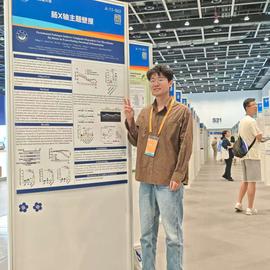
Background Porphyromonas gingivalis (Pg), a key pathogen in periodontitis, is implicated in various systemic diseases such as pancreatic cancer and Alzheimer’s disease. However, as a periodontal pathogen that can directly enter the lower gastrointestinal tract via saliva, its potential impact on the gut microbiome, intestinal inflammation, and its underlying mechanisms remains largely elusive. Results Here, we observed that oral administration of Pg exacerbates intestinal inflammation in mice by inducing gut microbiome dysbiosis, increasing Th17 cells and the release of pro-inflammatory cytokines. Inhibition of Th17 activity with GSK805 or an anti-IL-17A blocking antibody mitigated this inflammatory response, highlighting the mediating role of Th17 cells. Gingipains, the virulence factors of Pg, played a crucial role in this process. Sequential knockout of gingipain genes revealed a gradual reduction in inflammatory phenotypes, with statistically significant alleviation observed when all three gingipain genes were deleted. Co-housing experiments showed that gut microbiota remodeling effectively protected against Th17-driven inflammatory response. Furthermore, immunization with inactivated Pg effectively prevented gut microbiome dysbiosis and Th17 cell-mediated inflammation. Conclusion Our findings suggest that Pg may exacerbate intestinal inflammation, potentially via its gingipain virulence proteases, which are linked to gut microbiota dysbiosis and enhanced Th17-mediated immune responses. These results suggest that gingipains could be promising targets for further investigation in Pg-associated intestinal disorders.
Ming Li
Ph.D. student

Ru Qu
M.S. student

Rulong Liu
M.S. student

Yifan Sun
M.S. student

Ping Li
Ph.D. student

Juan Liu
M.S. student

Xiaochang Huang
Lecturer

Zhenjiang Zech Xu
Professor
My research interests include microbiome, (meta)genomics and machine learning.